
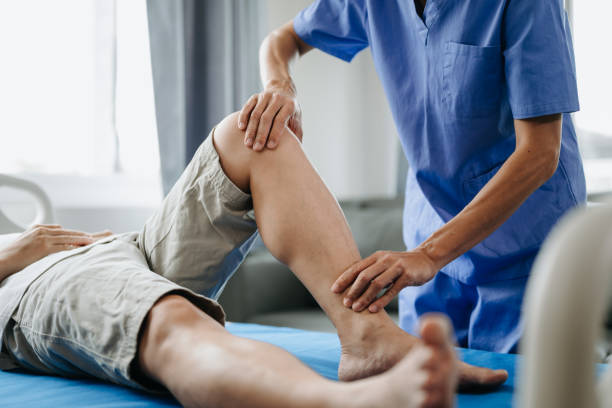
Recovering from an injury can feel overwhelming. Pain, stiffness, and limited movement often interfere with daily life. Without proper care, minor injuries can turn into long term problems that affect work, sports, and overall health.
Physiotherapy in North York provides a proven and effective way to heal faster after injury. With professional guidance, personalized treatment, and evidence-based techniques, physiotherapy helps restore movement, reduce pain, and improve strength safely. Whether your injury is recent or ongoing, early rehabilitation plays a key role in long term recovery.
Why Physiotherapy Is Essential After an Injury
Injuries do not only affect the surface area where pain is felt. They can disrupt muscles, joints, nerves, and movement patterns throughout the body. Physiotherapy addresses the root cause of injury rather than just masking symptoms.
Understanding how injuries impact muscles, joints, and nerves
When an injury occurs, muscles often weaken, joints lose stability, and nerves become sensitive. This can lead to reduced range of motion and poor coordination. Over time, the body may compensate in unhealthy ways, increasing the risk of further damage.
Physiotherapy helps restore proper movement and balance by targeting the affected tissues. Guided exercises and manual care support natural healing and improve overall function.
Risks of delayed or improper rehabilitation
Delaying physiotherapy after an injury can slow healing and increase pain. Scar tissue may form incorrectly, leading to stiffness and limited mobility. Without proper rehab, injuries can become chronic and harder to treat.
Improper self-guided recovery can also worsen the condition. Physiotherapists ensure that movements are safe and effective at each stage of healing.
How early physiotherapy prevents long term pain and mobility loss
Early physiotherapy reduces inflammation and improves circulation. It encourages correct movement patterns from the start. This prevents long term pain, weakness, and loss of function.
Starting physiotherapy early helps patients return to normal activities faster while reducing the risk of reinjury.
How Physiotherapy in North York Supports Faster Recovery
Physiotherapy clinics in North York offer patient focused care designed to meet local community needs. Access to skilled professionals ensures high quality rehabilitation close to home.
Localized care tailored to North York residents
Physiotherapists in North York understand the lifestyles, work demands, and activity levels of local residents. Treatment plans are designed to support daily routines, sports participation, and job related physical demands.
This local approach helps create practical recovery goals that fit real life needs.
One on one treatment with licensed physiotherapists
Personalized one on one care allows physiotherapists to monitor progress closely. Each session focuses fully on the patient, ensuring exercises and techniques are performed correctly.
Licensed physiotherapists bring clinical expertise and hands on experience to every treatment session.
Evidence based rehab approaches focused on functional recovery
Physiotherapy in North York uses research backed techniques proven to improve recovery outcomes. Treatments are designed to restore movement, strength, and confidence.
The goal is not only pain relief but full functional recovery that supports long term health.
Personalized Treatment Plans for Every Injury
No two injuries are the same. Personalized physiotherapy ensures the right approach for each patient.
- Detailed injury assessment and movement analysis
- Customized exercises and hands on care
- Ongoing plan adjustments as healing progresses
Treatment plans evolve based on progress, comfort, and recovery goals.
Common Injuries Treated at a North York Physiotherapy Clinic
Physiotherapy clinics treat a wide range of injuries affecting people of all ages and activity levels. Early treatment leads to better outcomes and faster recovery.
Sports injuries
Athletes often experience sprains, strains, and ligament injuries. Physiotherapy helps rebuild strength, restore flexibility, and improve performance while preventing reinjury.
Motor vehicle accident injuries
Car accidents can cause whiplash, back pain, and joint injuries. Physiotherapy supports safe recovery by addressing pain, stiffness, and movement limitations caused by trauma.
Workplace and repetitive strain injuries
Repetitive tasks and poor posture can lead to chronic pain in the neck, shoulders, and wrists. Physiotherapy improves ergonomics, muscle balance, and movement efficiency.
Post surgical rehabilitation
After surgery, physiotherapy is essential for restoring strength and mobility. Guided rehab helps patients regain function safely and avoid complications.
Physiotherapy Techniques Used in Injury Rehabilitation
Physiotherapy uses a combination of hands on treatment, exercise therapy, and pain management techniques to support healing.
Manual Therapy and Hands On Treatment
Manual therapy improves joint mobility and reduces muscle tension. These techniques support circulation and reduce stiffness.
- Joint mobilization for improved movement
- Soft tissue release for muscle relaxation
Hands on treatment often provides immediate relief and improves exercise effectiveness.
Therapeutic Exercises and Mobility Training
Exercise therapy strengthens muscles and improves flexibility. It also helps correct posture and movement patterns that contribute to injury.
Programs are progressed gradually to match healing stages and physical ability.
Pain Management Modalities
Pain relief supports active participation in rehabilitation and speeds recovery.
- Shockwave therapy for chronic soft tissue injuries
- Ultrasound therapy to promote tissue healing
- Electrotherapy to reduce pain and muscle tension
These modalities are used alongside active treatment for best results.
What to Expect During Your Physiotherapy Sessions
Knowing what to expect helps patients feel confident and motivated during rehabilitation. Physiotherapy follows a structured and supportive process.
Initial assessment and goal setting
The first session includes a detailed assessment of injury history, movement, and pain levels. Physiotherapists set clear recovery goals based on patient needs and lifestyle.
This creates a focused and effective treatment plan.
Progressive rehab milestones
Rehabilitation progresses in stages. Each phase builds on the previous one, increasing strength, mobility, and function.
Progress is monitored closely to ensure safe and steady improvement.
Education for at home injury prevention
Physiotherapists educate patients on posture, movement habits, and exercises to practice at home. This supports faster recovery and prevents future injuries.
Patient education is a key part of long term success.
Choosing the Best Physiotherapy in North York for Injury Rehab
Selecting the right clinic Like P&C Rehabilitation Services is essential for effective recovery. Quality care ensures better outcomes and long-lasting results.
Licensed and experienced physiotherapists
Choose a clinic with licensed professionals who have experience treating injury related conditions. Expertise ensures safe and effective rehabilitation.
Customized rehab not generic programs
Avoid one size fits all treatments. Personalized care leads to better healing and reduced risk of reinjury.
Convenient location and flexible scheduling
A clinic close to home with flexible appointments makes it easier to stay consistent with treatment. Consistency plays a major role in recovery success.
Conclusion
Physiotherapy plays a vital role in helping injury patients recover safely and efficiently. Through personalized treatment plans, hands on care, therapeutic exercises, and advanced pain management techniques, physiotherapy in North York helps restore movement, reduce pain, and improve quality of life. Choosing a trusted local clinic ensures expert guidance, consistent support, and long-term recovery success. If you are recovering from an injury and want to return to daily activities with confidence, contact us today to book your physiotherapy consultation and start your recovery journey.
FAQs
Q2: Do I need a doctor’s referral for physiotherapy in North York?
No, a referral is not required to start physiotherapy.
Q3: How long does injury rehabilitation usually take?
Recovery time varies based on injury type, severity, and patient commitment.
Q4: Is physiotherapy covered by insurance in Ontario?
Many extended health plans cover physiotherapy services.
Q5: Can physiotherapy help prevent future injuries?
Yes, strengthening, posture correction, and movement education reduce reinjury risk.